

Legal Insight. Practical Perspective.
The law is constantly evolving, and understanding how legal developments affect everyday decisions can be challenging. Through the articles below, Williford Law shares practical legal analysis, commentary on important legal topics, and educational resources intended to help readers better understand the legal issues that shape their personal, professional, and business lives.
The information provided is for general educational purposes only and should not be considered legal advice. Every legal matter is unique, and readers should consult an attorney regarding their specific circumstances.

The Difference Between Probate Assets and Non-Probate Assets
Probate and non-probate assets can pass through entirely different legal mechanisms, even when the property itself is similar. Learn how title, beneficiary designations, trusts, survivorship rights, and other ownership arrangements determine whether an asset passes through probate and why that distinction matters to the overall estate plan.

What Happens to Your Estate If Your Beneficiary Dies Before You?
What happens if a beneficiary dies before you? The answer may depend on the terms of your will or trust, survivorship requirements, contingent beneficiaries, anti-lapse laws, and whether descendants are intended to take that beneficiary’s share. Thoughtful contingency planning can help ensure your estate still passes as intended.

Estate Planning After Divorce: What Should You Update?
Divorce can change the assumptions on which an estate plan was built. Learn how wills, beneficiary designations, life insurance, retirement accounts, property ownership, fiduciary appointments, trusts, and planning for children may need to be reconsidered after a marriage ends.

How Estate Planning Protects Small Business Owners
Estate planning for a small business owner requires more than deciding who inherits the company. A thoughtful succession plan should address who will manage the business, how ownership will transfer, whether a buy-sell agreement is needed, how the business will be valued, and whether sufficient liquidity exists to protect both the company and the owner’s family.

What Happens to Your Digital Assets When You Die
Digital assets can include far more than cryptocurrency. Email accounts, cloud storage, photographs, social-media profiles, websites, domain names, and online businesses may all require planning to ensure they can be accessed, preserved, transferred, or closed after death. Learn how digital estate planning can help protect both valuable assets and important personal information.

Understanding Beneficiary Designations: The Estate Planning Tool Most People Overlook
Beneficiary designations can determine who receives retirement accounts, life insurance proceeds, and other significant assets regardless of what a will says. Learn how primary and contingent beneficiaries, percentages, trusts, minors, and outdated account records can affect whether your assets pass as intended.

Choosing the Right Guardian for Your Minor Children
Choosing a guardian for your minor children involves far more than selecting a trusted relative or friend. Learn how to evaluate parenting ability, household stability, location, sibling relationships, financial planning, and other considerations that can help protect your children if you are no longer able to care for them.

How to Choose the Right Trustee
Choosing the right trustee requires more than selecting someone you trust. Learn how to evaluate judgment, financial responsibility, discretion, beneficiary relationships, long-term availability, and whether an individual, professional, or corporate trustee is best suited to carry out the purposes of your trust.

Who Should You Choose as Your Executor?
Choosing the right executor is about more than naming someone you trust. Learn how to evaluate judgment, organization, communication skills, availability, conflicts of interest, and the nature of your assets so your estate can be administered efficiently and responsibly.

Estate Planning Is Not Just for Wealthy Families
Estate planning is not only for wealthy families. Even a modest estate may include a home, retirement savings, life insurance, personal property, and important decisions about who should act during incapacity or after death. A thoughtful estate plan can provide clarity, reduce unnecessary conflict, and help protect the people and property that matter most.

Common Estate Planning Mistakes Families Make
Even a valid estate plan can fail if the wrong fiduciaries are chosen, assets are not properly coordinated, important documents cannot be found, or family assumptions replace clear legal instructions. This article examines common planning mistakes that can create unnecessary conflict, delay, and expense.

Can You Avoid Probate?
Probate can often be reduced or avoided, but that does not mean every estate should be structured to eliminate it. This article explains the principal probate-avoidance strategies, the risks they can create, and how to determine whether avoiding probate actually improves your estate plan.

What Is Probate and Why Does It Matter?
Probate is the legal process used to administer many estates after death, but it is often misunderstood. Learn how probate works, which assets may be subject to the process, why a will does not automatically avoid probate, and how thoughtful estate planning can reduce unnecessary delay, expense, and uncertainty.

How Often Should You Update Your Estate Plan?
An estate plan should evolve as your life changes. Learn when to review or update your will, trust, powers of attorney, healthcare directives, and beneficiary designations after marriage, divorce, children, relocation, changes in wealth, health concerns, or other major life events.
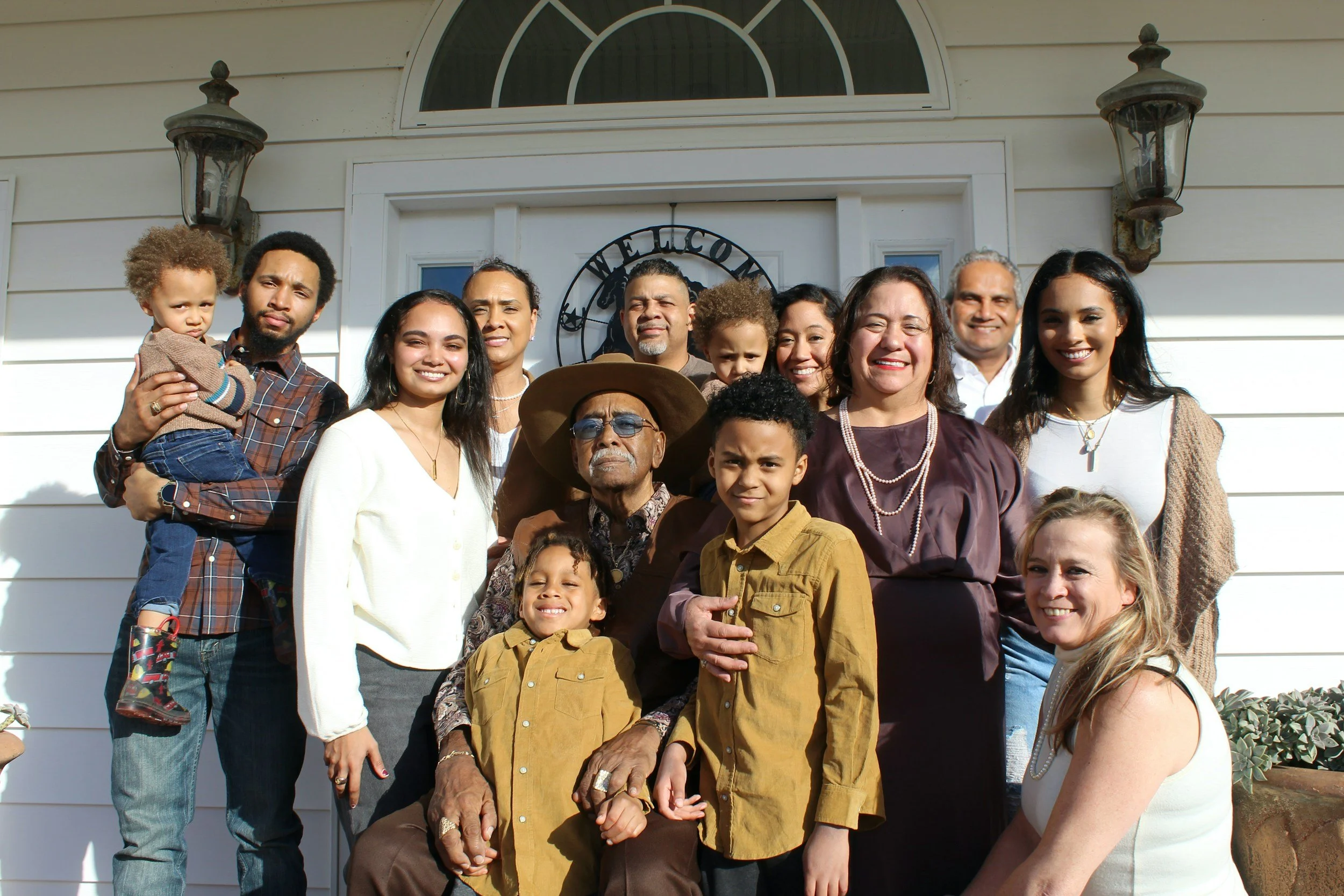
Estate Planning for Blended Families
Blended families often face estate-planning questions that simple wills and informal promises cannot resolve. Learn how a carefully structured plan can protect a surviving spouse, preserve inheritances for children from prior relationships, address stepchildren, coordinate beneficiary designations, and reduce the risk of future conflict.

Why Young Families Need an Estate Plan
Young families often delay estate planning because they believe they have not accumulated enough wealth. In reality, minor children, future income, life insurance, and growing financial responsibilities make planning especially important. Learn how an estate plan can protect children, preserve family stability, and provide clear direction during incapacity or death.

What Is a Living Will or Advance Directive?
A living will allows you to state your medical treatment preferences before illness or injury leaves you unable to communicate. Learn how this essential estate-planning document can preserve your autonomy, guide loved ones, and reduce uncertainty during a medical crisis.

What Is a Healthcare Power of Attorney?
A healthcare power of attorney allows someone you trust to make medical decisions if you cannot speak for yourself. Learn why healthcare decision-making documents are an important part of a complete estate plan and how they can help protect your wishes during a medical crisis.

What Is a Power of Attorney and Why Is It Important?
A power of attorney allows someone you trust to manage financial and legal matters if you become unable to act for yourself. Learn why this document is an important part of incapacity planning and how it can help protect your affairs during a crisis.

What Documents Should Every Estate Plan Include?
Estate planning is more than writing a will. A complete estate plan should address property, incapacity, healthcare decisions, beneficiary designations, minor children, and practical guidance for loved ones during difficult moments.